
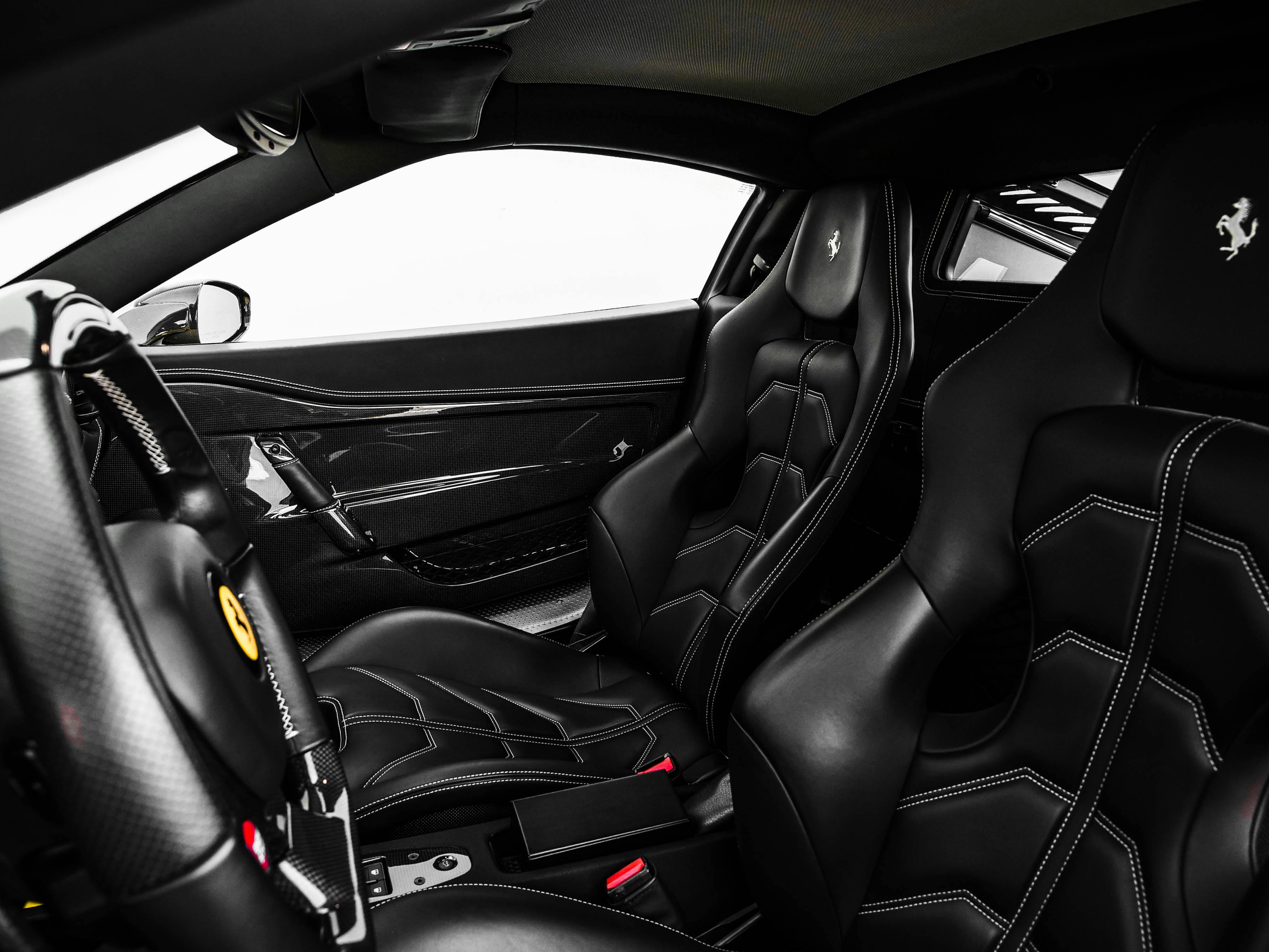
When it comes to maintaining the interior of your car, investing in a good set of seat covers is a wise and impactful decision. Not only do they add a touch of style to your ride, but they also serve a variety of practical functions. Today, we’ll discuss why seat covers are worth investing in, how to choose between leather and fabric options, some tips for daily cleaning and maintenance, and how to determine your budget.
1. Why Are Seat Covers Worth the Investment?
Adding seat covers to your car brings a range of benefits. First off, they protect your car’s original seats by guarding against spills, stains, and wear and tear, significantly extending the lifespan of your interior. This is especially important for families with kids or pets, as accidents are bound to happen. Additionally, seat covers can improve the comfort of your ride—whether by adding a layer of soft padding or choosing breathable materials to keep you comfortable during both hot summer days and cold winters.
Of course, seat covers are also a great way to express your personality. With so many color options, patterns, and materials to choose from, you can easily change the style of your car’s interior to match your taste or even your mood. This customization not only makes your driving experience more enjoyable, but well-maintained seats can also boost the resale value of your car when it’s time to sell.
2. Leather vs. Fabric: Which One to Choose?
When choosing seat covers, the first question you’ll likely face is about the material. Leather and fabric each have their pros and cons.
Leather seat covers are popular for their luxurious feel. They’re easy to clean—just a quick wipe removes most stains—and they have a high-end look. However, they tend to be on the pricier side and can feel hot and sticky in the summer due to their lower breathability compared to fabric.
Fabric seat covers, on the other hand, offer more variety in textures and styles, and they’re usually more affordable. They provide better comfort in all seasons—cool in summer and warm in winter. However, fabric can absorb liquids and odors, meaning they may require more frequent cleaning and care over time. So, choosing between the two ultimately depends on your budget, driving habits, and personal preferences.
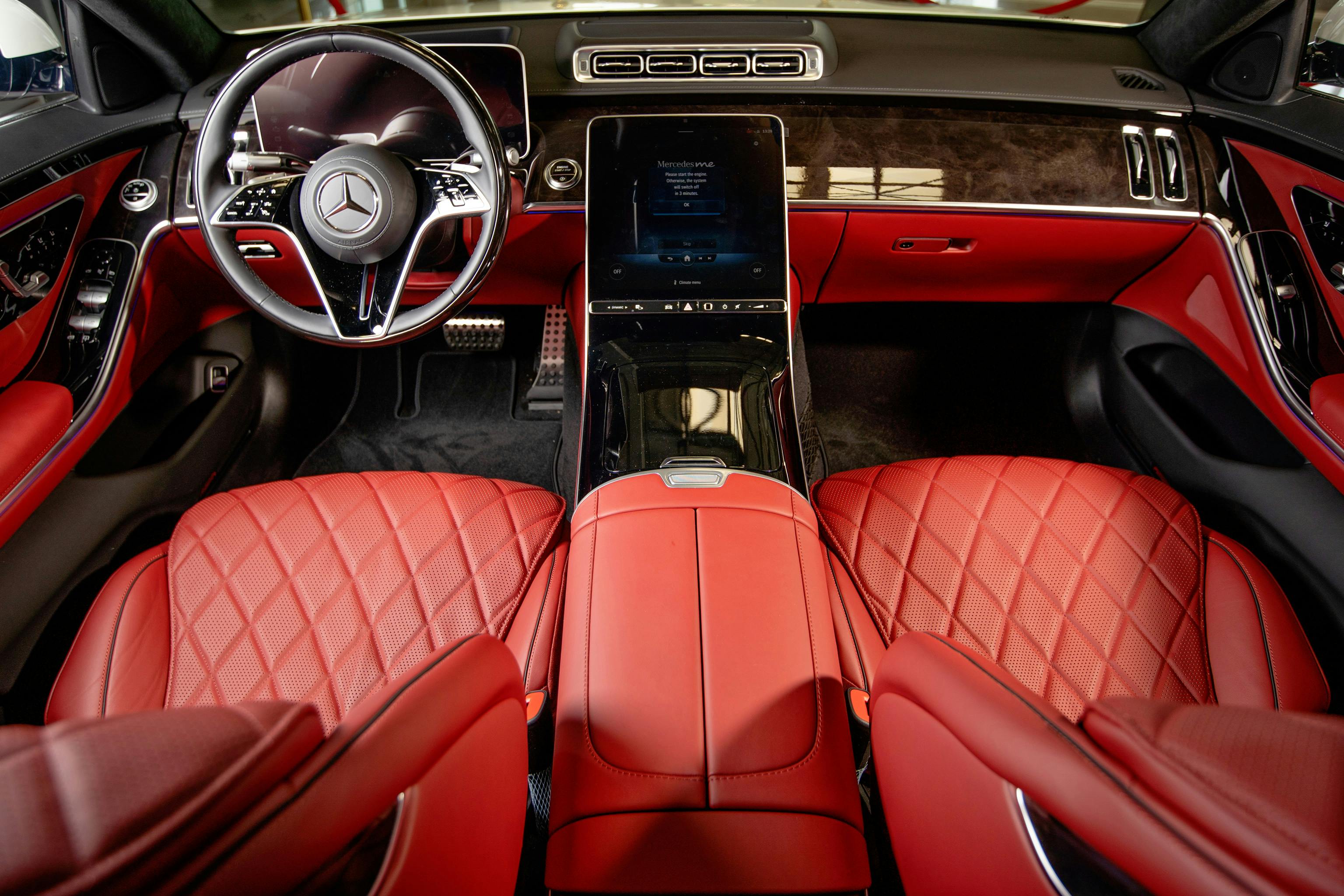
3. Tips for Keeping Your Seat Covers Clean
To ensure your seat covers stay looking fresh, regular cleaning and maintenance are key.
For leather seat covers, wipe them down with a damp, soft cloth regularly. Use a leather cleaner to prevent cracking and fading, and apply leather conditioner every few months to keep them soft and supple.
Fabric seat covers may need more frequent cleaning. Many are machine washable, but always check the care instructions first. For spot cleaning, use a mild detergent diluted with water. Keeping a lint roller in your car also helps maintain cleanliness, especially for fabric covers.

4. What’s the Right Budget for Seat Covers?
Prices for seat covers vary widely, depending on material, brand, and customization options. Basic, universal seat covers typically cost anywhere from $20 to $100, offering essential protection but lacking in fit. Mid-range options usually range from $100 to $500, providing better quality and style. For high-end custom seat covers made from premium materials, prices can go much higher.
So, how should you set your budget? It really depends on how you use your car. If you frequently drive with kids or pets, investing in a durable, protective seat cover could save you money in the long run by preserving the original seats. Ultimately, the key is to find the best seat cover that fits your needs within your budget, so every ride is more comfortable and enjoyable.