
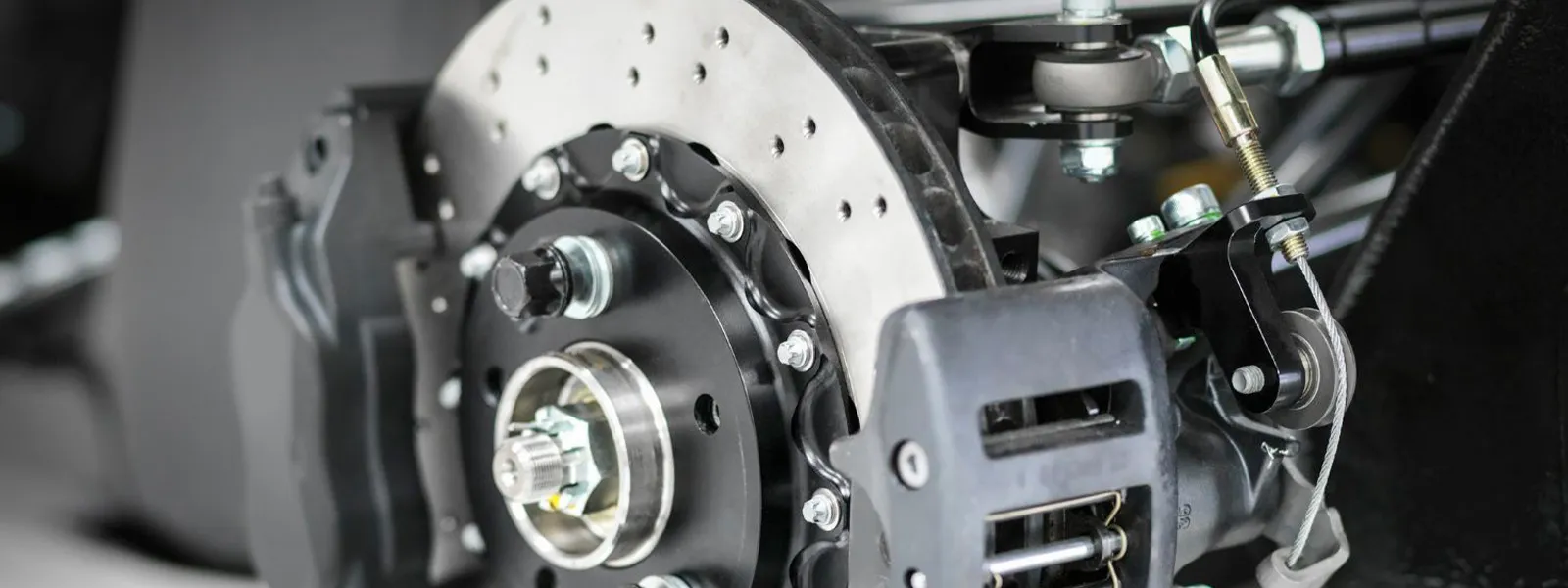
When it comes to the braking system of your car, brake rotors play a crucial role. They are the components that help convert the kinetic energy of the car into heat, which is then dissipated to stop the vehicle. The type of brake rotors you choose can affect everything from your car’s performance to its safety and longevity.
In this article, we’ll explore the different types of car brake rotors and their unique features to help you make the right choice for your vehicle.
1. Solid (Non-Vented) Brake Rotors
Solid brake rotors are the most basic type of brake rotor, often found on older vehicles or less expensive models. As the name suggests, they are made from a solid piece of material without internal ventilation.
Pros:
-
Simple and affordable: Solid rotors are generally cheaper due to their simpler design.
-
Durability: Since they don’t have ventilation holes, they are more resistant to cracking under extreme conditions.
Cons:
-
Heat retention: Without ventilation, solid rotors can retain more heat, which could lead to brake fade over time, especially in high-performance driving.
-
Less efficient cooling: They don’t cool down as quickly as vented rotors, which can impact braking performance.
Best for: Older cars, or vehicles used in less demanding driving conditions (such as city commuting).
2. Vented Brake Rotors
Vented brake rotors, also called ventilated rotors, have a hollowed-out area between two braking surfaces, allowing air to flow through and cool the rotor down more efficiently. This ventilation design reduces the chances of brake fade by improving heat dissipation.
Pros:
-
Better cooling: The venting system helps the rotors cool more effectively, reducing the chances of overheating and brake fade.
-
Improved performance: Vented rotors provide better stopping power, especially under heavy braking.
Cons:
-
Heavier design: The extra ventilation makes these rotors heavier, which could slightly affect the overall performance of the car, especially in terms of fuel efficiency.
-
Cost: Vented rotors are typically more expensive than solid rotors due to their more complex design.
Best for: Most modern vehicles, particularly those that experience regular heavy braking or higher speeds, like performance or everyday cars.

3. Slotted Brake Rotors
Slotted rotors have grooves or slots machined into the surface. These slots help clear away debris, gases, and moisture from the rotor surface, improving contact between the rotor and the brake pads.
Pros:
-
Better performance: The slots help maintain consistent friction and improve braking performance, especially under heavy or prolonged braking.
-
Reduced brake fade: The slots keep the braking surface clean, preventing gases and debris from accumulating and causing brake fade.
-
Improved wet-weather performance: The slots help disperse water from the braking surface, reducing the chances of hydroplaning in wet conditions.
Cons:
-
Increased wear on brake pads: The slots can cause faster wear on the brake pads since they are more abrasive.
-
Noisy operation: Slotted rotors tend to be noisier than standard rotors, especially during hard braking.
Best for: Performance vehicles, off-road vehicles, and cars that regularly face extreme driving conditions (like track cars or sports cars).

4. Drilled Brake Rotors
Drilled rotors are designed with holes drilled through them, which helps dissipate heat and gases more efficiently. These holes can also reduce the overall weight of the rotor.
Pros:
-
Excellent heat dissipation: The drilled holes allow for better airflow and heat reduction, helping prevent brake fade.
-
Lightweight: Drilled rotors are lighter than solid or vented rotors, which can slightly improve fuel efficiency and overall vehicle performance.
-
Improved wet-weather performance: Like slotted rotors, the holes allow water to escape more easily, improving braking in wet conditions.
Cons:
-
Reduced strength: The drilled holes weaken the rotor’s structure, making them more prone to cracking, especially under heavy use or high temperatures.
-
Increased wear: Drilled rotors can cause more wear on brake pads, as the holes create uneven surfaces.
Best for: Sports cars, high-performance cars, or vehicles used in racing where heat dissipation is critical, but they require more careful maintenance.
5. Slotted and Drilled Brake Rotors
Some high-performance vehicles use slotted and drilled rotors that combine both slotted and drilled designs. These rotors aim to combine the benefits of both, offering better heat dissipation, improved braking performance, and reduced moisture buildup.
Pros:
-
Ultimate performance: Combining the benefits of both designs provides optimal performance, especially under high-performance and racing conditions.
-
Superior heat dissipation: The drilled holes and slots help reduce heat buildup, making them ideal for performance driving.
Cons:
-
Cost and maintenance: These rotors are usually more expensive, and they can require more frequent maintenance due to their complex design.
-
Possible cracking: As with drilled rotors, these can be prone to cracking under extreme conditions.
Best for: Racing cars, performance vehicles, and cars driven in extreme conditions (track days, high-speed driving).

6. Carbon-Carbon Brake Rotors
Carbon-carbon rotors are made of a combination of carbon and carbon composite materials. These rotors are typically found on high-performance sports cars and racing vehicles.
Pros:
-
High heat tolerance: Carbon-carbon rotors can withstand extreme temperatures without warping or fading.
-
Lightweight: These rotors are incredibly lightweight, which helps improve overall performance.
-
Long-lasting: Carbon-carbon rotors are durable and can last much longer than traditional steel rotors under heavy use.
Cons:
-
Expensive: Carbon-carbon rotors are extremely costly, making them impractical for everyday cars.
-
Not suited for daily driving: They require a certain operating temperature to function correctly, which makes them unsuitable for regular city driving.
Best for: Race cars, high-end performance vehicles, and cars used for extreme conditions like Formula 1 or endurance racing.
Choosing the Right Brake Rotor for Your Vehicle
The type of brake rotor you choose will depend on various factors, including:
-
Driving conditions: If you often drive in the city or have a daily commute, vented rotors are a great choice. For high-performance driving, slotted or drilled rotors might be more suitable.
-
Budget: Solid rotors are the most affordable, but if you need better performance, you may have to invest in vented or slotted/drilled rotors.
-
Vehicle type: Consider your car’s intended use—performance cars, racing vehicles, and off-road cars may benefit from more advanced rotors like slotted, drilled, or carbon-carbon.
Regardless of your choice, always ensure your brake rotors are in good condition and paired with the appropriate brake pads for optimal performance and safety.